Consider the child’s full workload
After a long day at an international school, a child may not be ready for another heavily academic lesson. Choose a time when they can still talk, read and think rather than simply follow instructions.
Ask about homework and whether the pace can change during demanding school projects or assessment periods.
Identify the language profile
A bilingual child who understands family Russian but answers in English needs a different route from a child who knows almost no Russian. A textbook chosen by age cannot solve that distinction.
If Russian is becoming limited to everyday routines, read about the signs that development has stalled.
Connect Russian to real life
A language is easier to maintain when it is needed for conversation, books, family stories and the child’s own interests. Online lessons should give the child new things to do in Russian rather than repeat only familiar household words.
Why online learning may fit
Online lessons remove travel and can fit between school and activities. Convenience does not replace quality, so check the child’s active participation, materials, feedback and level fit.
LUMI programmes
For a bilingual child, explore Russian for Bilingual Children; for continued development abroad, see Russian Abroad; for a mixed or unusual goal, see the personalised programme.
Use the assessment form to describe the child’s current Russian, school workload and realistic availability.
Related articles
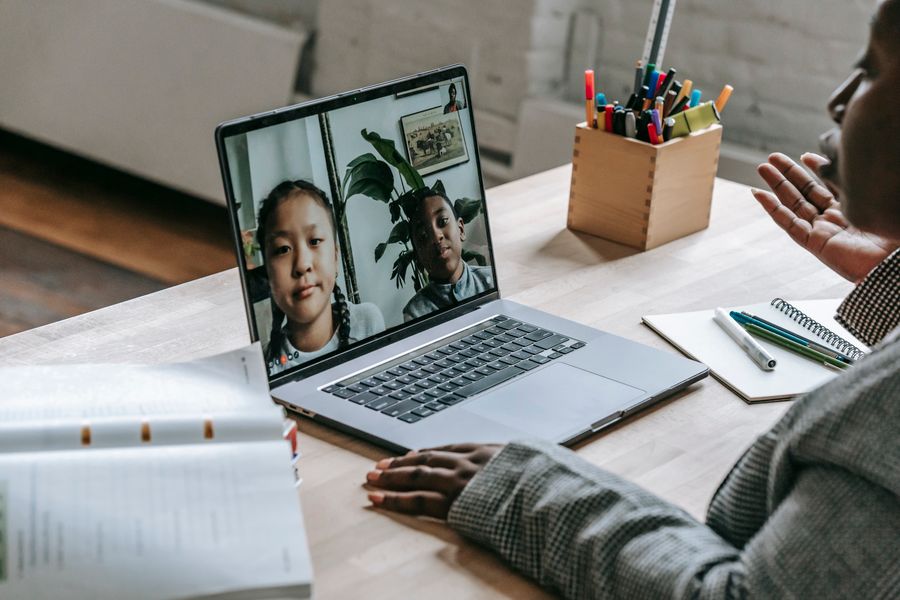
How to Choose an Online Russian School for a Child Living Abroad
How to choose an online Russian school for a child abroad: programmes, assessment, teachers, parent feedback and questions to ask before enrolling.

Online Russian Schools for Bilingual Children: What to Look For
How to choose an online Russian school for a bilingual child: skills assessment, programme design, group placement and questions for the school.
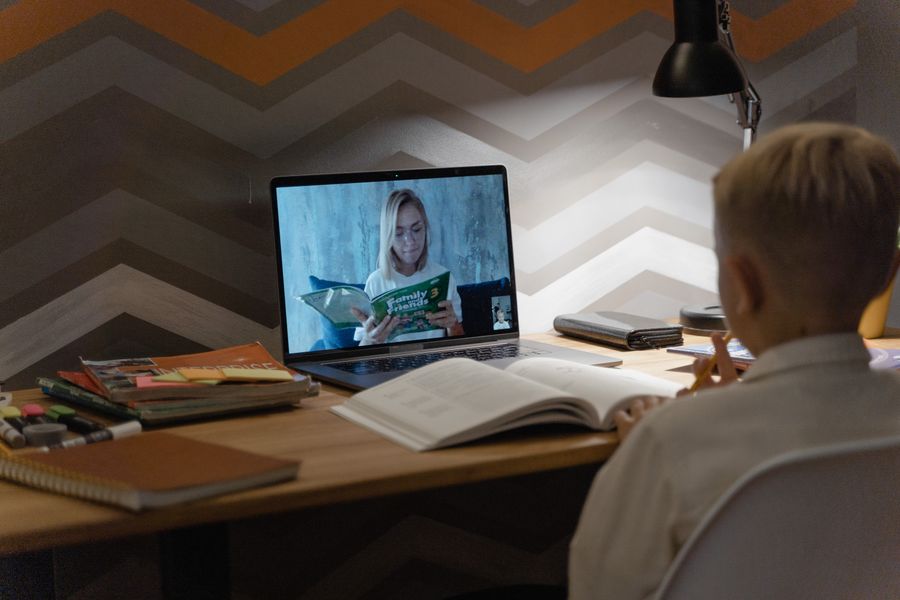
Choosing Online Russian Lessons for a Complete Beginner
How to choose online Russian lessons for a complete beginner: teaching approach, language support, first-lesson preparation and signs of progress.
Not sure which Russian programme fits your child?
We’ll assess the starting point and explain what to focus on next.
Assess your child’s level