What a group can offer
Children hear different answers, learn to ask one another questions and discover that Russian is useful beyond conversations with parents. This can be especially valuable abroad when Russian-speaking peers are hard to find.
Simply putting children together is not enough. Lessons need pair work, discussion and tasks in which every learner has a reason to speak.
Match age, level and pace
A one- or two-year age difference is often less important than a large gap in speaking, reading or goals. At the same time, topics must remain age-appropriate so that the lesson is neither inaccessible nor childish.
Ask whether children are assessed before placement and whether moving to another group is possible after the first few lessons.
Group size and speaking time
Do not ask only for the maximum group size; ask how the lesson is structured. Even a small class can leave children passive if the teacher explains for most of the session.
Request a concrete example of how often each child gives an extended answer, works with a partner or presents an idea.
Practical questions
Clarify the rules before you commit.
- What happens after a missed lesson?
- Is a recording or catch-up task provided?
- How do parents receive feedback?
- When can a child move groups?
- Can the child temporarily switch to individual lessons?
- How are time zones handled?
When individual lessons may be better
Individual teaching can help with a very uneven profile, a specific goal, a difficult timetable or an urgent gap. See our comparison of individual and group lessons.
LUMI offers mini-groups within programmes such as Russian for bilingual children. Current availability and times should be confirmed through the programme-matching form.
Related articles
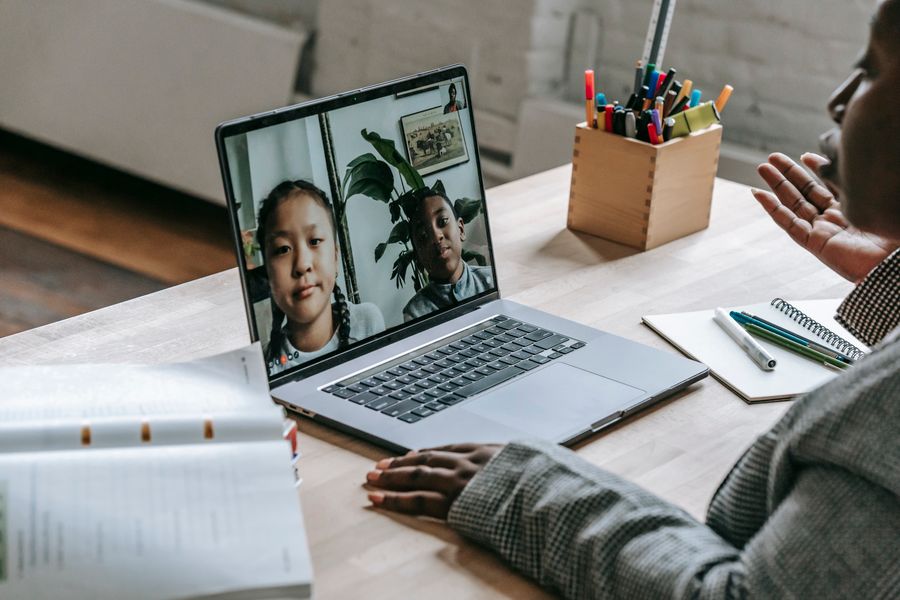
How to Choose an Online Russian School for a Child Living Abroad
How to choose an online Russian school for a child abroad: programmes, assessment, teachers, parent feedback and questions to ask before enrolling.

Online Russian Schools for Bilingual Children: What to Look For
How to choose an online Russian school for a bilingual child: skills assessment, programme design, group placement and questions for the school.
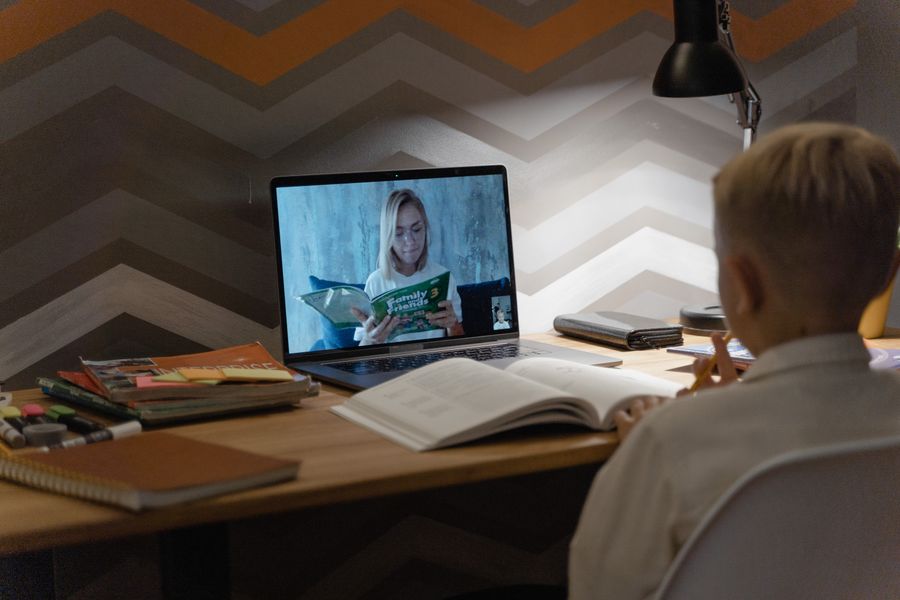
Choosing Online Russian Lessons for a Complete Beginner
How to choose online Russian lessons for a complete beginner: teaching approach, language support, first-lesson preparation and signs of progress.
Not sure which Russian programme fits your child?
We’ll assess the starting point and explain what to focus on next.
Assess your child’s level